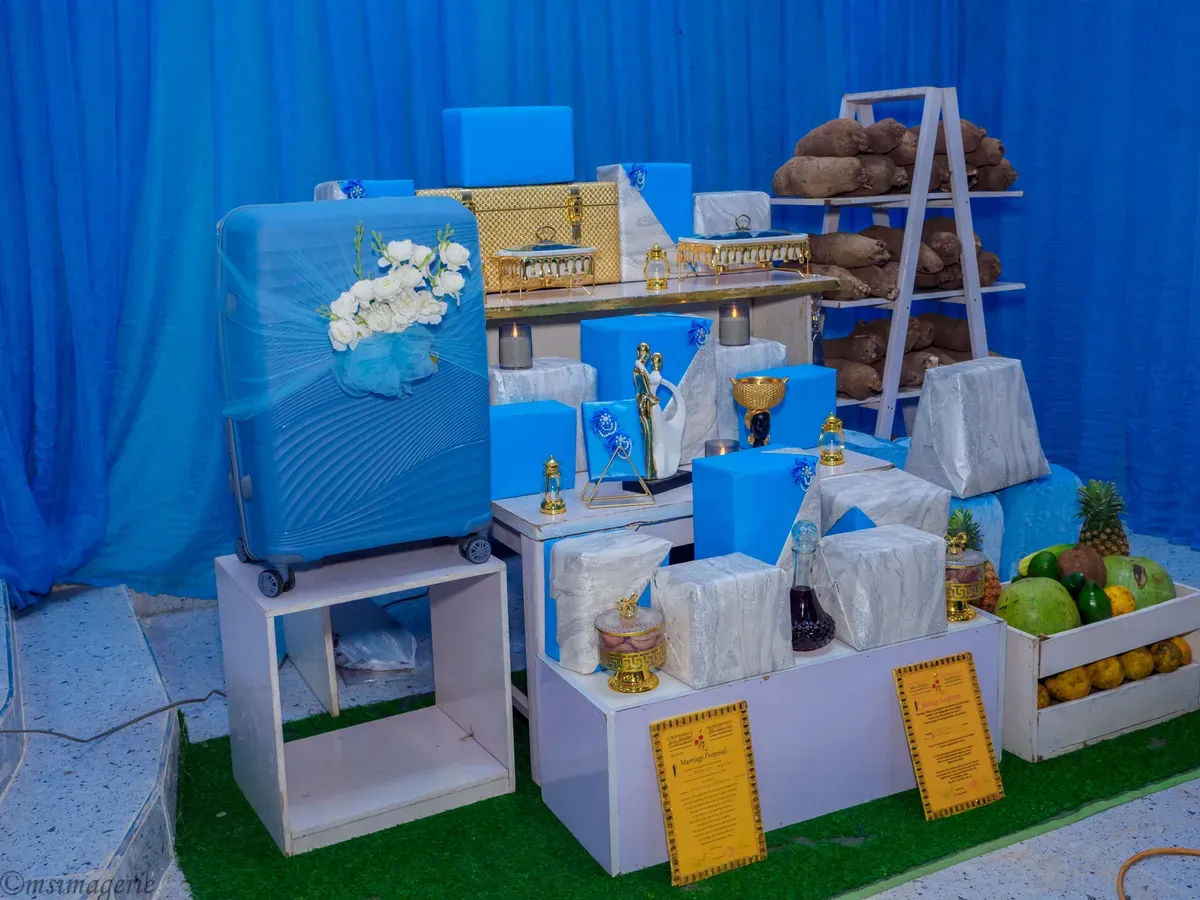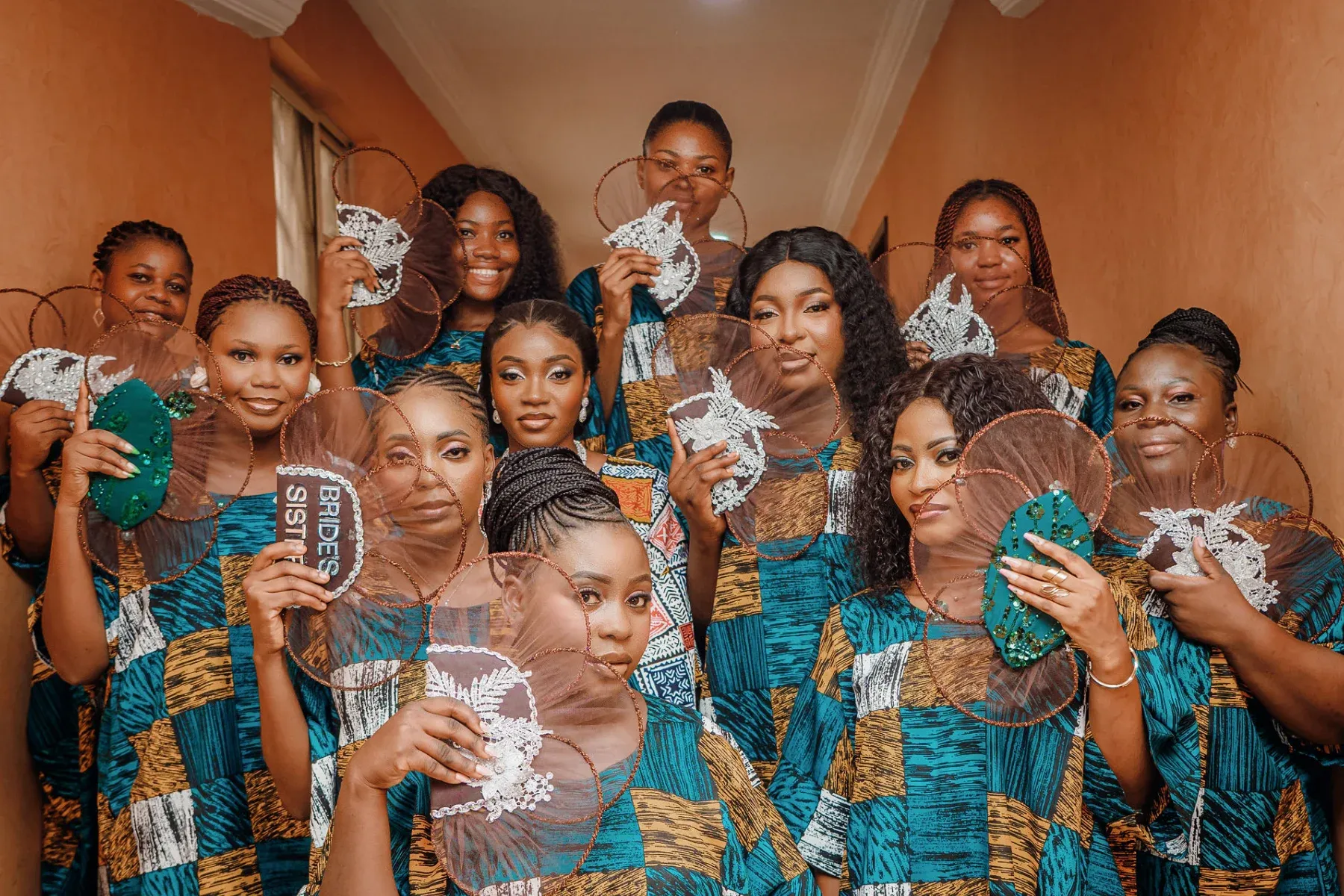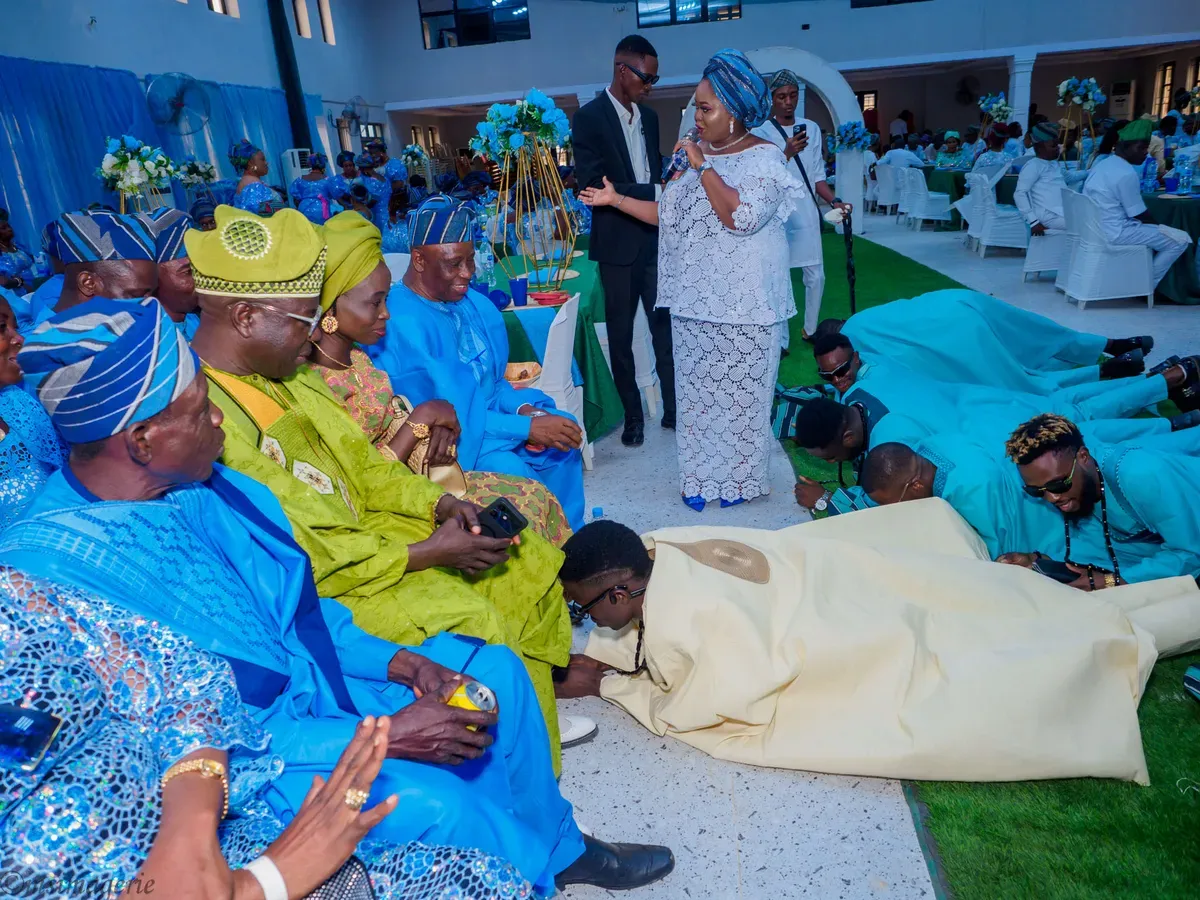
In Yoruba culture, the foot washing ceremony during a traditional wedding symbolizes humility, respect, and new beginnings. It marks the bride's transition into her new family and the start of her journey as a wife.
When Her Journey Began
She stood barefoot at the entrance of a home that was about to become hers.
Not as a stranger. Not as a visitor. But as a bride.
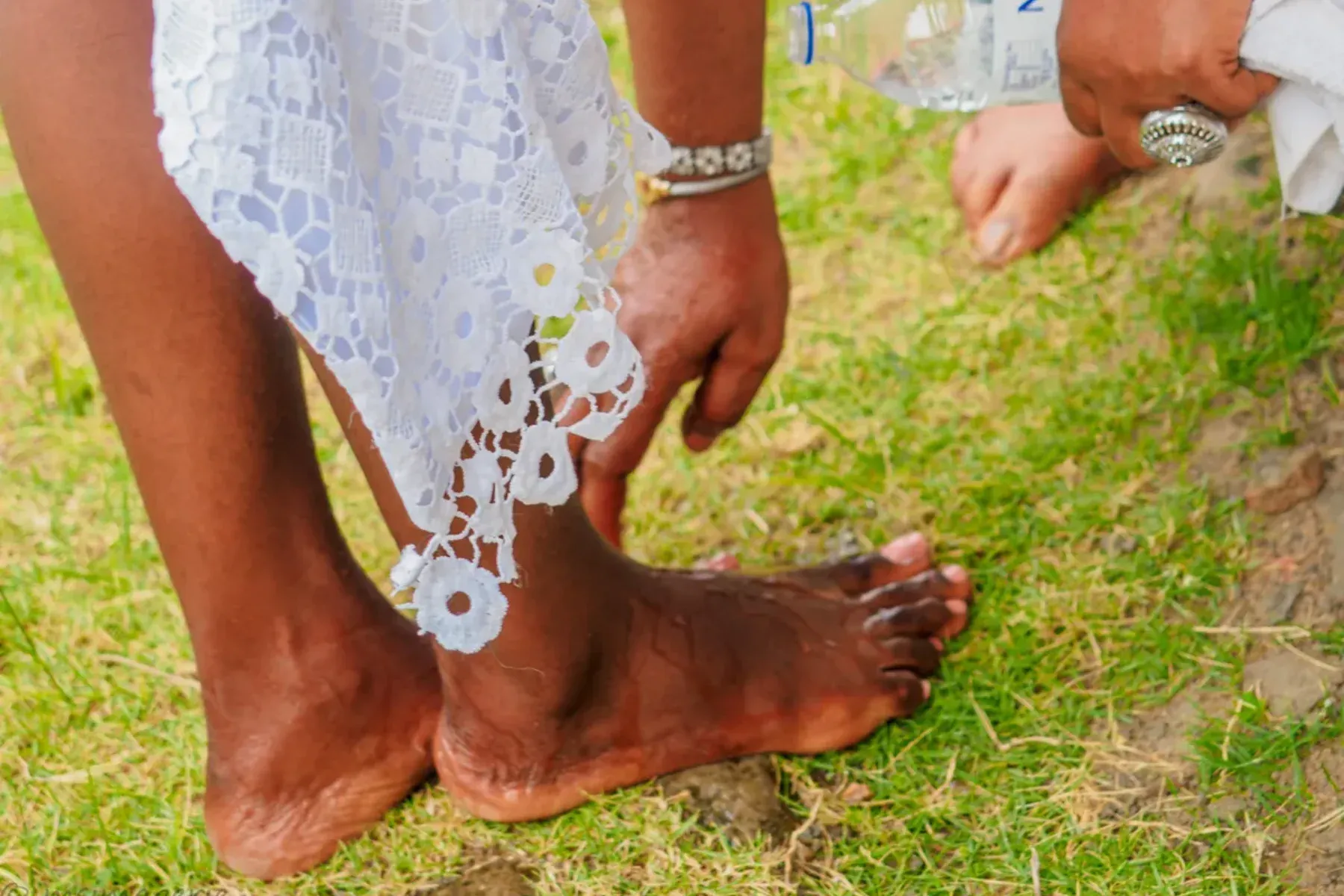
Surrounded by elders, wrapped in white lace, she bowed—not in weakness, but in humility. An elderly woman stepped forward, bent low, and gently washed her feet with water.
In Yoruba culture, this moment means everything.
The feet carry a person’s journey. And as her feet were washed, it was believed that her past was being cleansed and every road she had walked before now giving way to a new path as a wife.
No long speeches were needed. The water spoke. It whispered prayers of peace. It carried blessings of fruitfulness. It sealed her acceptance into a new family. With that simple act, the groom’s family said, “Welcome home. You are now our daughter.”
This ritual is not about submission or servitude. It is about character. About respect. About entering marriage with a heart willing to learn, grow, and build. In that quiet moment, tradition met love, and history met the future. And with her feet washed, her journey as a wife truly began.
Conclusion
The foot washing ceremony in a Yoruba traditional wedding is a powerful symbol of humility, respect, and new beginnings. It reminds us that marriage is not just about two people coming together, but about families uniting and traditions being honored. For couples planning a Yoruba traditional wedding, embracing this beautiful ritual can add depth and meaning to their special day.